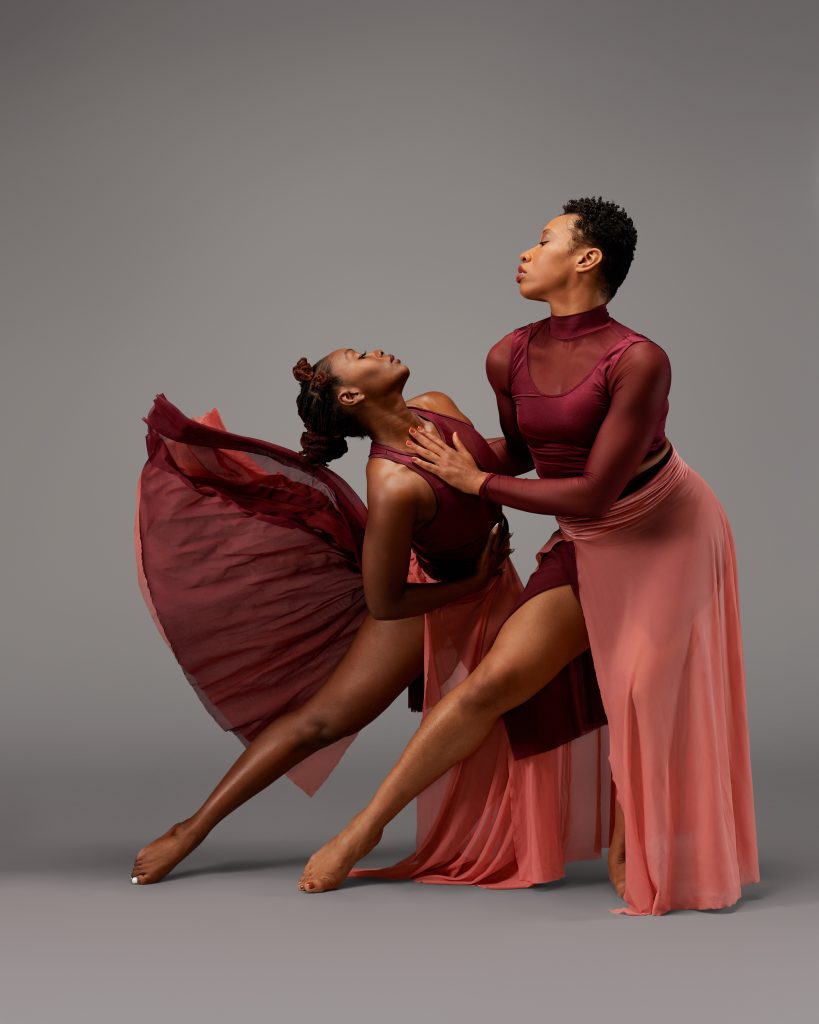
Dancers Alberto Velazquez and Fernando Duarte/Photo: Todd Rosenberg
During the height of the AIDS epidemic, a dancer in Chicago named Keith Elliott wanted to do something to help his friends and colleagues stricken with the disease. “Dance For Life,” an annual benefit to alleviate the cost of medical care for folks in Chicago’s dance community, was born. This summer marks the thirty-fifth “Dance For Life” and the endurance of a mission that, even with the advent of effective HIV/AIDS treatment, is needed as much now as ever.
Michael Anderson has been involved with Dance for Life almost from the beginning. Anderson came to Chicago in 1995 as a dancer with the Joffrey Ballet, when the company made their historic move from New York. “We moved in late August and ‘Dance For Life’ was one of the first things I was exposed to,” he says. “The following year was the first time the Joffrey appeared on the ‘Dance For Life’ stage. I have been pretty much involved ever since.”
Anderson has worn just about every hat—performer, volunteer, co-chair, artistic director, artistic committee member, board member. Anderson was also one of the founders of the Chicago Dance Health Fund (originally called Chicago Dancers United), the nonprofit entity that administers funds raised by Dance For Life and awards the grants. The mission of the Chicago Dance Health Fund, founded in 2015, formalizes the application process for financial support and officially broadens eligibility.
The fund offers two kinds of no-strings grants to alleviate expenses related to medical needs: a $5,000 grant for critical health needs, and a $1,000 grant for health and wellness—checkups, dental care, mental health services.
Anyone who works in Chicago’s dance community—dancers, choreographers, administrators—can apply anonymously. Anderson says the organization is still trying to get the word out. “When I started, the phrase was ‘dancers helping dancers’—we’re donating our time to help other dancers. The reality is dancers weren’t always the ones needing help and there are a lot of people supporting the dance community behind the scenes. We wanted to wrap our arms around a bigger portion of the community. Our work over the last ten years has been ‘how do we help the most amount of people possible and have it be fair and equitable?’”
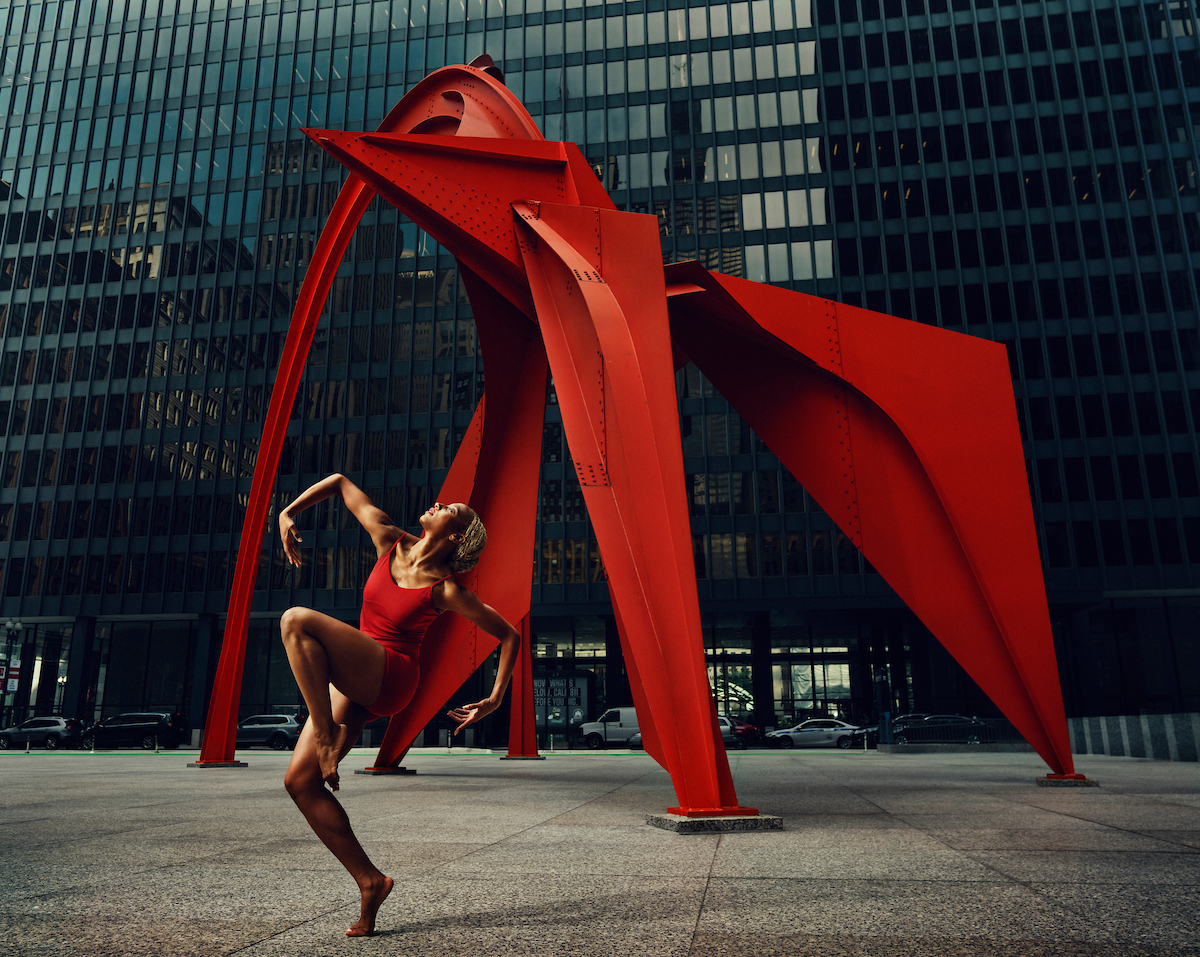
Dancer Nyemah Stuart/Photo: Todd Rosenberg
All grant funds are generated by the one-night-only concert, this year August 22 at the Auditorium. The evening reliably feels as much like a party as a performance showcase, and a celebration of Chicago’s entire dance community. This year Dance For Life marks the milestone with a record number of companies on the bill, a snapshot of the tremendous richness and breadth of Chicago’s professional dance landscape. Short works will be presented by Ballet 5:8, Chicago Dance Crash, Deeply Rooted Dance Theater, Ensemble Español Spanish Dance Theater, Giordano Dance Chicago, Hubbard Street Dance Chicago, the Joffrey Ballet, Robyn Mineko Williams and Artists, Trinity Irish Dance Company and Visceral Dance Chicago.
A highlight of every “Dance For Life” concert is the finale, which includes Chicago dancers across companies and genres. Choreographer Randy Duncan will create the finale this year, as he has for most performances since the show’s inception. Duncan will be honored for his contributions in this year’s program.
Act One will close with a restaging of “Red, Black & White” by Harrison McEldowney and Jeremy Plummer, who created the ensemble piece for Dance For Life over a decade ago. “We wanted to bring back companies that have done DFL over the years to show the breadth and depth of the Chicago dance community,” Anderson says.

Dancer Mya Bryant/Photo: Todd Rosenberg
When I ask Anderson what he thinks the future holds for “Dance For Life” and the Chicago Dance Health Fund, he says it is a question the organization is asking itself. “My generation—there are several of us on the board—we picked it up from the previous generation and said we wanted to make sure it continued. We’re not so sure the next generation will do it and we’re all getting older. One of the founders is eighty-five.”
Anderson tells me plans are in place to ensure the future of the fund, regardless of the benefit event and “has never been in a better position. We have a great board and energized people coming on. I’m really optimistic about the future.
“What does ‘Dance For Life’ in the future look like? We don’t know,” he says. “What we do know is special about it is it’s a night that brings the entire dance community together around a single cause, helping each other.”
“Dance For Life 35th Anniversary” at The Auditorium, 50 East Ida B. Wells on Saturday, August 22 at 7:30pm. Tickets ($65 and up) at auditoriumtheatre.org.
Published in the print edition of the July/August 2026 issue, with the headline “Dancers Helping Dancers, The Long and Lively Life of Dance For Life.”